
Antminer L11 Hashboard Repair
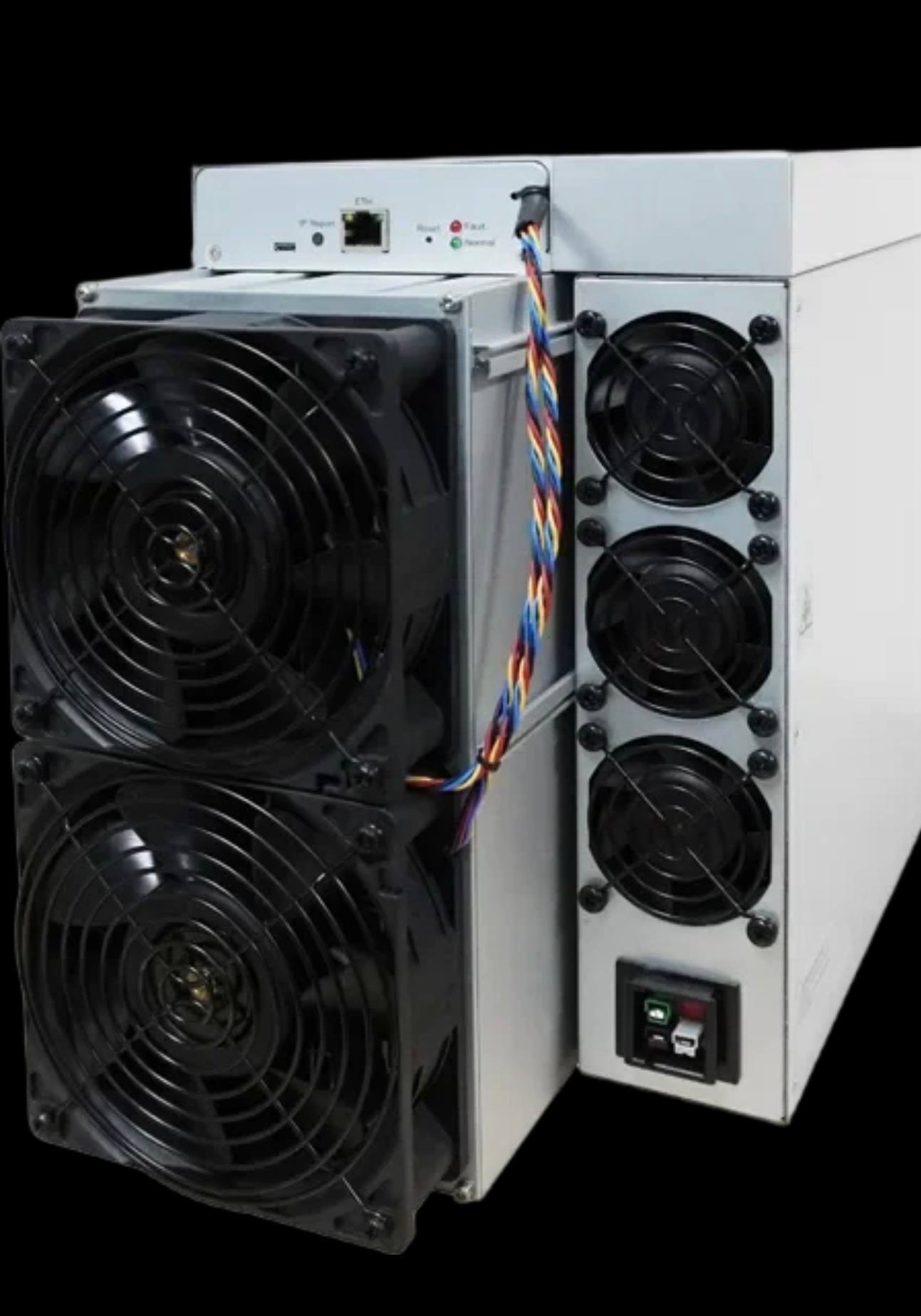
The L11 is Bitmain's high-density Scrypt machine for Litecoin and Dogecoin: 20 GH/s at 3,680 W, about 184 J/G, on a 220–277 V feed with four fans. It does not replace the L9 so much as sit above it — fewer units, much more power and heat per rack slot, and far more revenue lost per hour when a board fails. That is what shapes how we service it.
Buck Converter & Rails
Repair of DC-DC stages, voltage regulators and sense circuits that sag under a 3,680 W draw — the most common "low hashrate" cause on high-current boards.
ASIC-Level Replacement
Per-chip diagnosis and replacement with genuine parts where a single ASIC or voltage domain drags the whole chain down.
Chain & Control Board
Fixing dropped chains, missing-ASIC counts, boot loops, SD/Ethernet faults and firmware recovery on the L11 control board.
PSU Service
Load-testing output rails, capacitor and switching faults, and matching replacement units to the L11 power envelope.
Proven Track Record
Unedited feedback from verified ASIC owners
Top-rated across public marketplaces
"Great guy, answered all my questions... Good fast work, best prices."
"Best service out there. Doesn't overcharge for repairs unlike other services. Definitely will be using again."
"Awesome service had it fixed and shipped back in a matter of days... highly recommend them."
L11 short one chain, and the other two running hot
A representative Antminer L11 repair: a dropped chain plus thermal throttling that looked like a firmware problem but was not.
- Reported symptom
- Two chains hashing around 70% of the 20 GH/s rating, one chain not detected at all, fans pinned at full speed and the unit cycling between normal and throttled.
- On-bench diagnosis
- Per-chain logs showed a short ASIC count on the dead chain and rising HW errors on the other two. Rail measurement under load found one DC-DC stage sagging well below its set point, and infrared showed a hot spot over a buck converter with dried thermal interface across all three boards.
- Root cause
- A fatigued buck converter on the sagging stage was current-starving its ASICs, which is what the control board reported as a missing chain. The thermal interface had dried out, so the surviving chains throttled — the unit never actually had a firmware fault.
- The repair
- Replaced the failed buck converter and support components, verified every rail under a current-limited load, repaired a damaged via on the dead chain's signal path, and refreshed the thermal interface on all three boards with a deep heatsink clean.
- Outcome
- Three chains detected with full ASIC counts, hashrate back at rating with no throttling, and a 24-hour full-load burn-in completed before the unit went back on the row.


Bench photos from the high-current boards we service. Every L11 is diagnosed individually — exact faults and pricing are confirmed after inspection.
Antminer L11 Repair — What We Fix
The Antminer L11 is Bitmain's high-density Scrypt unit: 20 GH/s at 3,680 W, roughly 184 J/G, on 220–277 V with four fans, a 400 × 195 × 290 mm chassis and about 15.5 kg net. Resellers list a 180-day factory warranty, which is short relative to the service life of a machine drawing that much power continuously — so the practical question on an L11 is almost always repair versus replacement, not warranty.
High current changes the failure surface. Where an L9 gives you volume board swaps, the L11 concentrates revenue per rack slot, and each board pushes far more current through its DC-DC stages. A marginal buck converter that would limp on a lower-draw board will sag visibly at L11 current, and the control board reports that decay as a missing chain or an ASIC count that keeps slipping. That is why diagnosis order matters more than swapping speed: log review per chain, then rail measurement under real load, then thermal imaging, and only then component rework.
We repair L11 hashboards at component level — buck-converter and voltage-regulator replacement, individual ASIC replacement with genuine parts, trace and via repair, sense-circuit faults — plus control-board service (boot loops, SD and Ethernet faults, firmware recovery) and PSU work with output rails tested under load. Every repaired board gets a 24-hour full-load burn-in at temperature before it rejoins the row, so a marginal fix does not fail again at 3 a.m. Mail-in and on-site farm service are both available. Running the earlier generation? See our Antminer L9 repair page, or read the L11 vs L9 service comparison.
One service note specific to this unit: at 3,680 W per machine, a meaningful share of "dead miner" tickets traces back to the supply side — a marginal breaker, a tired PDU contactor, or a 240 V circuit shared with another load. Before you pull a 15.5 kg unit out of the rack, confirm the feed.
L11 Repair — Frequently Asked Questions
What are the Antminer L11 published specs?
Vendor listings state 20 GH/s on Scrypt at 3,680 W — about 184 J/G — on 220–277 V input, with four fans, roughly 75 dB noise, RJ45 10/100M Ethernet, about 15.5 kg net and a 400 × 195 × 290 mm chassis. Resellers list a 180-day factory warranty. Treat these as published figures, not bench measurements.
Why is my L11 hashing below 20 GH/s?
A chain reporting fewer ASICs than it should, thermal throttling from a clogged heatsink or dried thermal interface, a PSU rail sagging under a 3,680 W load, or rising hardware errors from one unstable voltage domain. Per-chain logs plus rail and thermal measurements separate those before any chip work.
Can an L11 be repaired at board level?
Yes — hashboards, control boards and PSUs are all serviceable at component level: ASIC replacement, buck-converter and voltage-regulator repair, trace and via repair, control-board and PSU service. Diagnosis starts with per-chain log readings and rail checks, never a blind board swap.
What does L11 hashboard repair cost?
It depends on the fault and is quoted per board after diagnosis, before any work starts. Because an L11 is a 3,680 W unit with high revenue per hour, board-level repair is almost always cheaper than losing the rack slot while a replacement board ships.
Do you service L11 fleets on site?
Yes — we provide on-site ASIC repair so L11 units are restored on your floor without shipping a 15.5 kg machine both ways, including preventive thermal imaging and rail checks before a chain drops.
Troubleshooting Guides
Need your Antminer L11 Repaired?
Mail-in and on-site repair for the L11 — dropped chains, low hashrate, buck-converter and PSU faults fixed at component level.